Structure
A thoughtful daily structure can help you stay focused during active periods and fully relax during downtime.
Explore ideas for structuring your day with a thoughtful mix of movement and downtime. A balanced daily rhythm can help you maintain a steady routine.


Our days are filled with demands that require energy and focus. Equally important are the moments we set aside for rest and reflection. Finding a personal rhythm that honours both can contribute to a more fulfilling daily experience.
This website explores general lifestyle ideas around structuring your day. The content here is meant for informational purposes and reflects common-sense approaches to daily planning.
Considering how you distribute energy and downtime throughout the day is a worthwhile exercise for anyone looking to feel more organised and present.
A thoughtful daily structure can help you stay focused during active periods and fully relax during downtime.
Paying attention to your energy levels throughout the day allows you to make more intentional choices about how you spend your time.
When activity and rest are in better proportion, daily routines can feel less rushed and more enjoyable.
Here is a general outline of how one might structure activity and rest across a typical day. Adapt it to suit your own lifestyle and preferences.
Start the day with gentle physical activity such as stretching, a short walk, or light exercise to ease into the morning.
Use the mid-morning hours for tasks that require concentration. Set clear time blocks and take short breaks in between.
Step away from tasks during lunch. Eat mindfully, spend a few minutes outdoors, or simply sit quietly for a while.
Tackle lighter tasks or engage in a hobby. This is also a good time for social activities or errands if they fit your schedule.
Begin transitioning from active tasks. Tidy up your workspace, review what you accomplished, and prepare for the evening.
Dedicate the evening to restful activities: reading, light conversation, a calm walk, or simply unwinding at home.
Physical activity does not need to be strenuous. Simple, enjoyable movement throughout the day can be a great complement to periods of rest.
A short walk around the neighbourhood or a park can refresh your perspective and provide a gentle change of pace.
Regular stretching during the day can make desk-heavy days feel more comfortable, especially after long periods of sitting.
Working in a garden combines light physical effort with time spent outdoors — a pleasant way to stay engaged with your surroundings.
Rest is not the absence of productivity — it is an essential part of a well-rounded day. Here are some ideas for incorporating restful moments.
Set aside time for reading something you enjoy. It allows your mind to shift focus and unwind from daily tasks.
Calm or ambient music can create a restful atmosphere, whether during a break or in the background while you relax.
A warm drink prepared slowly and enjoyed without distraction can be a simple way to pause during the day.
Spending a few minutes looking out of a window or sitting in a garden can offer a gentle break from indoor activities.
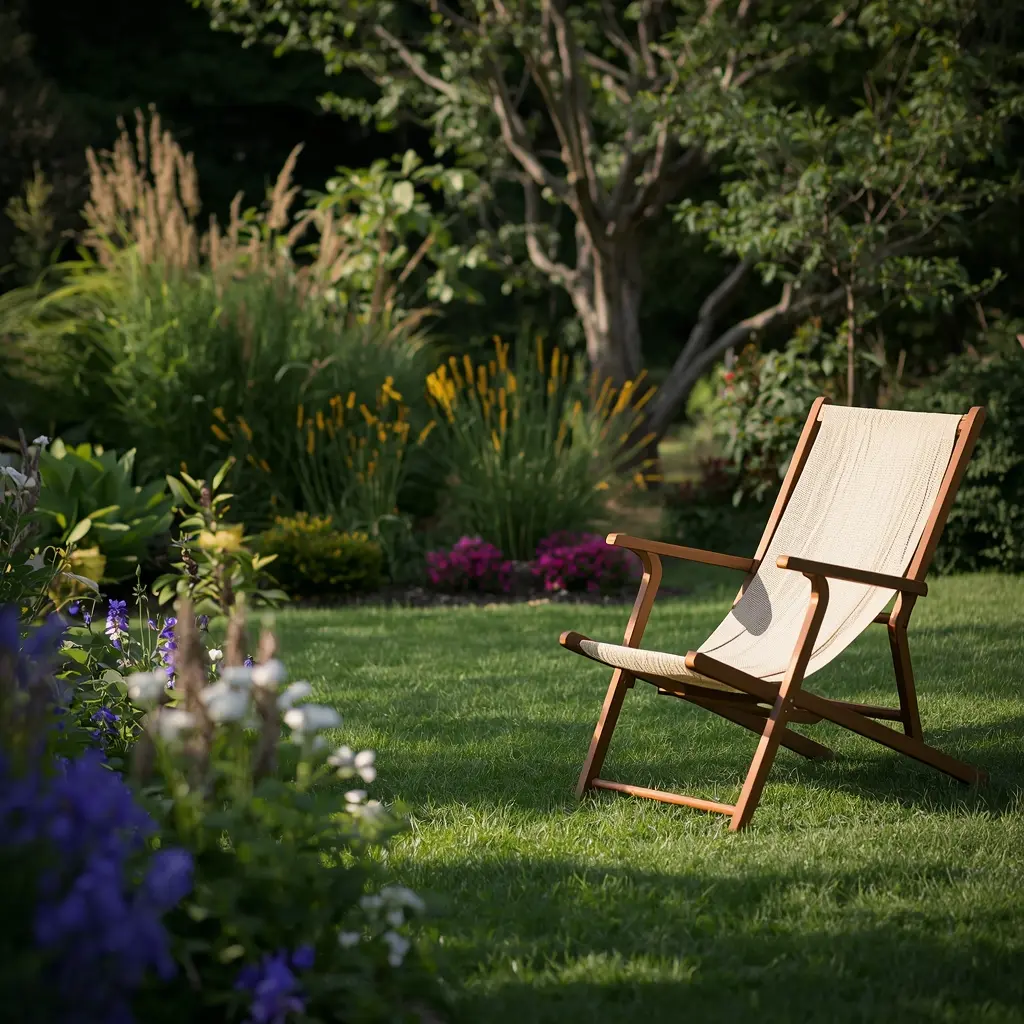
Short, intentional pauses can help you stay present and avoid feeling overwhelmed. These need not take more than a few minutes.
Take a few slow, deep breaths between tasks. This simple action can help you reset and approach the next activity with more clarity.
Step away from screens for a few minutes each hour. Look at something in the distance or close your eyes briefly to rest them.
Stand up, stretch your arms, or walk to another room. Even brief movement can help break up prolonged sitting periods.
Take a moment to notice something positive about your day. This shift in attention can be a refreshing mental break.
A calm evening routine can help signal to your body and mind that the active part of the day is drawing to a close.
Cooking a simple meal can be a grounding activity. Focus on the process and enjoy a calm dining experience.
Engage in a low-key activity you enjoy — a puzzle, a favourite show, or spending time with family or pets.
Begin reducing exposure to bright screens. Consider switching to a book or a quiet conversation instead.
Lay out what you need for the next day. A brief review of tomorrow can ease your mind before rest.
Small, consistent adjustments can make a meaningful difference in how your day feels. Here are some general suggestions to consider.
Pay attention to signs of fatigue or restlessness and adjust your activities accordingly. Everyone has different energy patterns.
Create clear distinctions between work time and personal time. Even small boundaries can make a noticeable difference.
You do not need a complex schedule. A basic awareness of when you are active and when you rest is a great starting point.
Plans change, and that is fine. Flexibility is key to maintaining a balanced routine without added pressure.
Some common questions about finding a daily balance between activity and rest.
There is no single answer that works for everyone. It depends on your lifestyle, activities, and personal preferences. A good general approach is to include short breaks between focused periods and allow for a longer rest period in the evening.
Not necessarily. While some people prefer a structured routine, others do well with a flexible approach. The key is being aware of your activity and rest patterns and making adjustments as needed.
Rest can include anything that feels restorative to you — reading, listening to music, sitting quietly, taking a gentle walk, or spending time in nature. It does not have to mean sleeping or being completely still.
No. This website provides general lifestyle information for informational purposes only. It does not constitute professional, medical, or therapeutic advice. Please consult a qualified professional for guidance specific to your situation.
Absolutely. The routines and suggestions on this site are meant as general examples. Feel free to adjust times, activities, and approaches to better fit your personal circumstances.
Have a question or want to share your thoughts? We would be glad to hear from you. Fill out the form and we will respond as soon as possible.
Level 3/160 Willis Street, Te Aro, Wellington 6011, New Zealand
This website provides general lifestyle information only and does not constitute professional or medical advice. The content is intended for informational purposes, does not promise specific outcomes, and should not be used as a substitute for qualified professional guidance. Always seek the advice of a qualified professional regarding any questions you may have.